
Expert Guide to Custom Stickers: Create Unique Designs in 2026
Understanding Custom Stickers
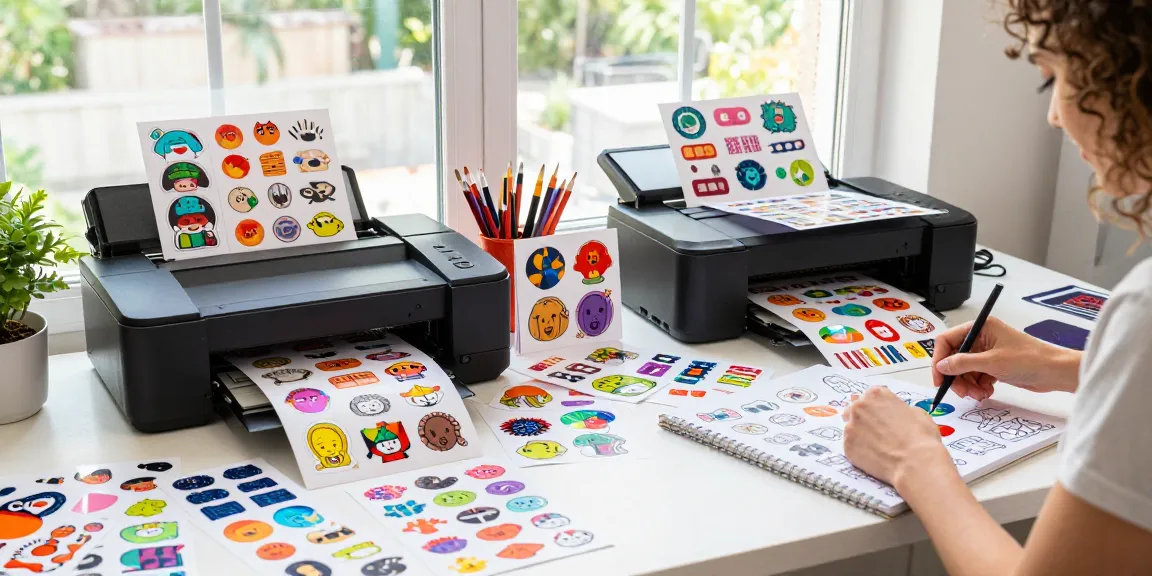
In today’s digital age, custom stickers have emerged as a popular tool for personal expression, branding, and marketing. The versatility of stickers allows individuals and businesses to create unique designs that resonate with their audience. These customizable products serve various purposes, from promotional giveaways to personal projects, making them a favorite across multiple industries. As we delve into the realm of custom stickers, we will explore their types, significance, and the processes involved in their creation. For those looking to explore diverse options, custom stickers can be crafted in various shapes, sizes, and finishes to suit every need.
What Are Custom Stickers?
Custom stickers are adhesive labels printed with unique designs, images, or logos tailored to the specifications of the user. Unlike standard stickers, which may feature generic designs or themes, custom stickers allow for creativity and personalization. They can be produced in a myriad of materials, such as vinyl, paper, and even holographic versions, making them suitable for both indoor and outdoor applications.
These stickers can be used in diverse fields, including marketing, education, and arts and crafts. As brands seek to differentiate themselves in a crowded marketplace, custom stickers become instrumental in achieving that goal through unique branding strategies.
Types and Varieties of Custom Stickers
The world of custom stickers is rich and varied, catering to different preferences and requirements. Here are some popular types:
- Die Cut Stickers: These stickers are cut to the shape of the design, allowing for intricate designs and a professional look.
- Vinyl Stickers: Known for their durability, vinyl stickers are weather-resistant and ideal for outdoor use.
- Holographic Stickers: This type features a reflective surface, creating a visually appealing display with a shiny finish.
- Matte Stickers: Offering a smooth, non-reflective surface, matte stickers are perfect for a more understated look.
- Clear Stickers: These stickers are transparent, allowing the background surface to show through, ideal for subtle branding.
- Glitter Stickers: Adding a fun touch, glitter stickers can enhance any design with sparkling effects.
The Importance of Quality in Custom Stickers
The quality of custom stickers can significantly affect their effectiveness. High-quality stickers not only convey professionalism but also ensure durability and longevity. When choosing custom stickers, consider factors such as the type of material, adhesive quality, and printing techniques used. Ensuring high standards in these areas results in stickers that maintain their appearance and integrity over time.
How to Create Your Custom Stickers
Creating custom stickers is an exciting process that allows for immense creativity. Understanding the steps involved can help streamline the production and ensure the final product meets your expectations.
Designing Effective Sticker Artwork
Effective design is crucial for creating impactful stickers. Begin by defining the purpose of your stickers and the message you want to convey. Choose colors that align with your brand identity, and consider using bold fonts for legibility. Incorporate images or graphics that resonate with your target audience. Utilizing design software can help create a visually appealing layout.
Choosing the Right Materials and Finishes
Selecting the appropriate materials can greatly influence the sticker’s durability and application area. For outdoor stickers, vinyl is recommended due to its weather resistance. If a polished appearance is desired, consider choosing a glossy finish. Conversely, a matte finish can give a more subdued effect. Always explore different finishes to see which aligns best with your design and intended use.
Steps to Order Custom Stickers Online
Ordering custom stickers online is a straightforward process. Follow these steps:
- Select a Provider: Research various online printing services to find one that offers the customization options you need.
- Upload Your Design: Prepare your artwork in the required format and upload it to the chosen platform.
- Choose Specifications: Specify the size, shape, material, and finish of your stickers.
- Review and Order: Before finalizing, carefully review the proof to ensure it matches your expectations.
- Complete Your Purchase: Proceed with the payment and wait for your stickers to be printed and delivered.
Applications for Custom Stickers
Custom stickers find their use in a variety of fields, enhancing both personal and business endeavors. They are not just decorative items; they serve practical purposes that can aid in marketing and brand recognition.
Using Custom Stickers for Branding
Branding is one of the primary applications of custom stickers. Companies use stickers featuring their logos and taglines as promotional tools, distributing them at events, trade shows, and through direct mail campaigns. Stickers serve as a constant reminder of the brand, reinforcing identity and promoting recall among consumers.
Custom Stickers in Event Marketing
At events, custom stickers can enhance engagement by serving as giveaways or interactive elements. Stickers can draw attention, invite participation, and even work as conversation starters among attendees. Whether for conferences, festivals, or community events, they are an effective marketing tool.
Personal Use: Gifts and DIY Projects
Custom stickers also appeal to individuals who enjoy crafting or personalizing items. They can be used in scrapbooking, gift wrapping, or as personalized notes. Creating custom stickers for friends or family is a thoughtful way to commemorate special occasions, allowing for a personal touch that adds value to gifts.
Challenges in Custom Sticker Production
While the process of creating custom stickers is relatively simple, several challenges can arise. Understanding these challenges and how to mitigate them can lead to better designs and successful sticker applications.
Common Mistakes to Avoid When Designing Stickers
One of the most significant mistakes is using low-resolution images, which can result in pixelation during printing. Ensure that your artwork is of high quality and appropriately sized for the sticker dimensions. Additionally, avoid cluttering your design with too much text or complex graphics, which can detract from the primary message.
Understanding Sticker Durability and Adhesion
Durability is vital, especially for stickers used in high-traffic areas or outdoor settings. Understanding the type of adhesive used can help determine where stickers should be applied. Some adhesives are designed for temporary use, while others provide a stronger bond suitable for long-term applications.
Addressing Pricing and Budgeting Concerns
Sticker pricing can vary widely based on several factors, including size, material, and quantity. Setting a budget upfront can help narrow down options and avoid overspending. It’s also worthwhile to compare prices across different manufacturers to ensure you’re getting the best quality at the right price.
Future Trends in Custom Stickers
The custom sticker market is continually evolving, with innovations driving new trends and changes in consumer preferences. Staying updated on these trends can provide insights for future sticker projects.
Innovative Designs and Technology in 2026
As technology advances, more innovative designs and production techniques are expected to emerge. This includes the use of augmented reality (AR) in stickers, where scanning the sticker with a smartphone could reveal animated designs or additional content. Additionally, the use of eco-friendly materials is likely to expand as consumers increasingly value sustainability.
Sustainability Practices in Sticker Production
Sustainability is becoming an essential consideration in custom sticker production. Many manufacturers are adopting eco-friendly materials and inks, reducing waste, and implementing processes that minimize environmental impact. As consumers become more environmentally conscious, brands that prioritize sustainability in their sticker production may find a competitive edge.
Predictions for the Custom Stickers Market
Looking ahead, the custom stickers market is predicted to grow significantly, bolstered by increasing demand from businesses and individuals alike. This growth could lead to greater innovations in printing technology, enabling even more customization options for consumers. Additionally, as social media continues to thrive, stickers will remain a crucial part of digital marketing strategies, further solidifying their place in contemporary culture.
What are the best materials for custom stickers?
Choosing the best material typically depends on the intended use of the sticker. For outdoor applications, vinyl is preferable due to its durability and weather resistance. For indoor purposes, paper stickers can be cost-effective and versatile. Always consider the environment where the sticker will be placed to ensure longevity.
How can I use custom stickers to promote my brand?
Incorporate custom stickers into your marketing strategy by distributing them at events, using them as promotional items, or including them in product packages. Stickers can enhance brand visibility and engage consumers in a fun and memorable way.
What types of stickers are most popular right now?
Currently, die cut, holographic, and matte stickers are trending due to their unique appearance and versatility. Brands are increasingly opting for eye-catching designs that stand out in both physical and digital spaces.
Can I design custom stickers myself?
Yes, many online platforms allow you to create your own custom designs using user-friendly tools. Make sure to adhere to the design specifications provided by the printing service to ensure a smooth production process.
What are the cost factors for ordering custom stickers?
Cost factors include the material selected, size and shape of the stickers, the complexity of the design, and the quantity ordered. Bulk orders often reduce the per-unit cost, so consider the volume when planning your sticker purchase.